Regenerative Skin Rejuvenation for Delicate Areas

Some of the most noticeable signs of aging appear in areas where the skin is naturally thin. The under-eyes, eyelids, full face, and hands can begin to show crepiness, dullness, fine lines, thinning, and texture changes that may not be fully improved with traditional facials or skincare alone.

At Image Surgical Arts, DermaPRP is used as a regenerative skin treatment designed to support smoother, healthier-looking skin quality. The treatment can be customized for delicate areas, including the under-eyes, eye area, hands, and full face, helping patients achieve refreshed results without adding artificial-looking volume.

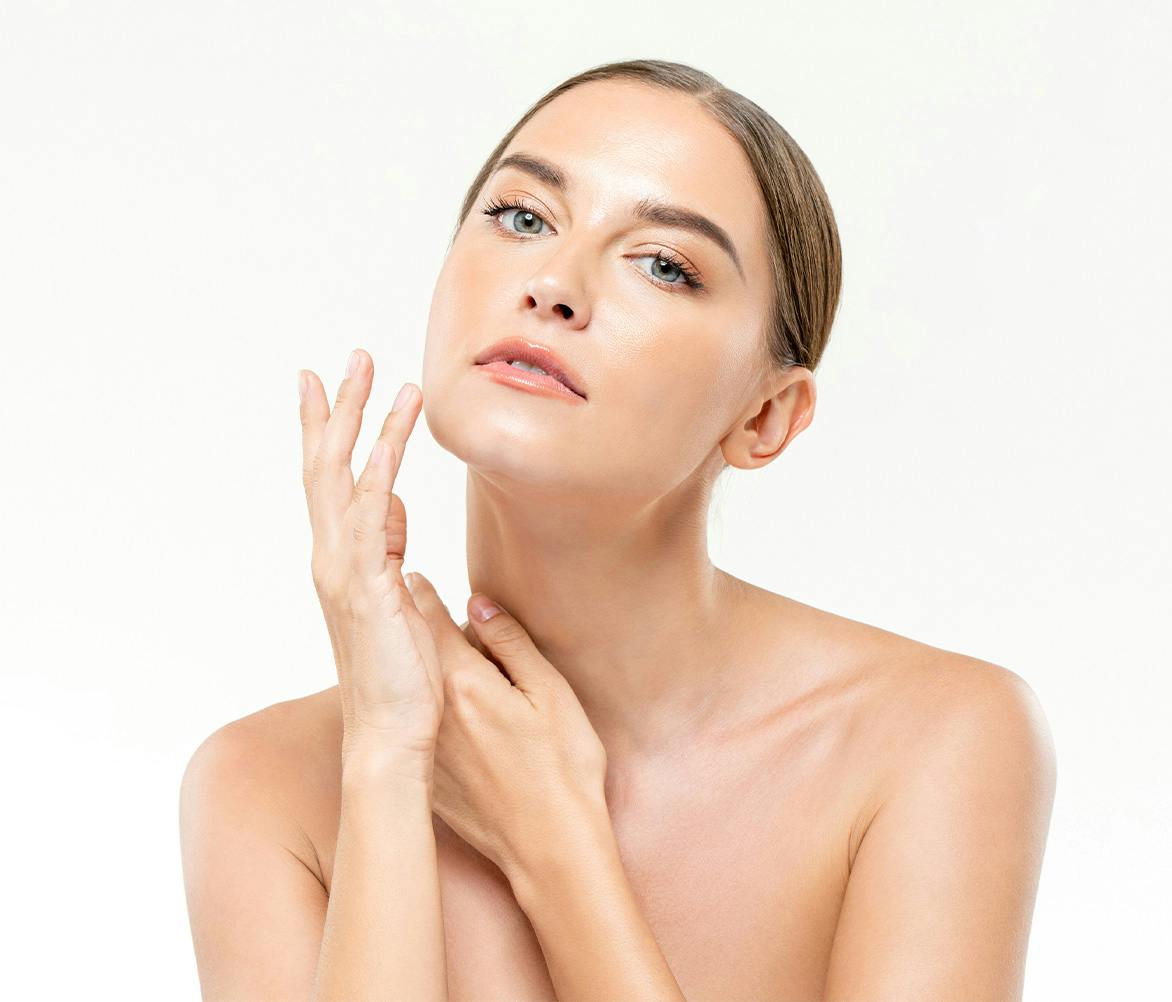
woman touching her face and neck

A Skin Quality Treatment, Not a Traditional Filler

DermaPRP is different from traditional dermal fillers. Rather than primarily adding volume, it is designed to support skin rejuvenation through platelet-rich plasma and regenerative skin-focused techniques. This makes it especially appealing for patients who want a natural-looking improvement in skin texture, tone, brightness, and crepiness. Patients may consider DermaPRP to improve the appearance of:

  • Under-eye crepiness
  • Thin or delicate skin around the eyes
  • Fine lines
  • Dull skin tone
  • Full-face texture changes
  • Early skin aging
  • Thinning skin on the hands
  • Mild acne scarring
  • Overall skin quality and radiance

Because DermaPRP works with the body’s natural repair response, results develop gradually and are typically best supported through a series of treatments.


Schedule a Consultation

Contact Us
Contact us media

DermaPRP for Under-Eyes and the Eye Area

The under-eyes are one of the most delicate areas to treat. Thin skin, fine lines, crepiness, and dullness can make the eyes look tired even when the patient feels well-rested. DermaPRP may help improve the appearance of this area by supporting skin quality rather than simply adding filler. For the eye area, DermaPRP may be considered when patients want to address:

  • Crepey under-eye texture
  • Fine lines around the eyes
  • Thin-looking skin
  • Dullness or tired-looking skin quality
  • Mild hollowness is related more to skin quality than volume loss

It is important to note that under-eye concerns can have several causes, including pigmentation, volume loss, anatomy, and skin laxity. During consultation, the Image Surgical Arts team will determine whether DermaPRP, filler, laser treatment, skincare, or another option is most appropriate.

blue satin fabric texture

DermaPRP for Hands

The hands are often overlooked in aesthetic treatment plans, but they can show aging through thinning skin, crepiness, texture changes, and visible veins or tendons. DermaPRP may be used to improve the appearance of hand skin quality in patients who want a regenerative, subtle approach.

This treatment may be especially appealing for patients who want their hands to better match the refreshed appearance of their face, neck, or décolleté. In some cases, DermaPRP may be discussed alongside other options such as Radiesse, laser treatments, or medical-grade skincare.

DermaPRP for Full-Face Rejuvenation

When used across the full face, DermaPRP may help improve overall skin tone, texture, and radiance. 

It can be a strong option for patients who want a refreshed complexion without the more intensive downtime of deeper resurfacing treatments. Full-face treatment may help address early aging changes, roughness, fine lines, uneven tone, and skin that looks dull or less vibrant. It may also be paired with microneedling or other collagen-focused treatments when appropriate.

For many patients, full-face DermaPRP works best as part of an ongoing skin maintenance plan rather than a one-time solution.

What Happens During Treatment

A DermaPRP appointment begins with a consultation and skin evaluation. Your provider will review the areas being treated, discuss sensitivities, and determine whether the treatment will focus on the under-eyes, eyes, hands, full face, or a combination of areas.

Because DermaPRP uses platelet-rich plasma, the process typically begins with a small blood draw. The sample is processed to concentrate the platelet-rich portion, which is then applied or injected based on the treatment plan.

Patients may experience temporary redness, swelling, tenderness, bruising, or pinpoint bleeding depending on the areas treated and the technique used. The Image Surgical Arts team provides aftercare instructions to help protect the skin as it heals.

Banner media

How DermaPRP Results Develop

DermaPRP results develop gradually because the treatment relies on the body’s natural regenerative response. Some patients may notice improved glow or texture within a few weeks, while a more noticeable improvement in fine lines or crepiness may require a series of sessions.

The under-eye and hand areas may respond differently from the full face because the skin is thinner and more delicate. Your provider will discuss the expected timeline, number of treatments, and whether maintenance appointments may be recommended.

Skin Treatments That Can Complement DermaPRP

DermaPRP may be incorporated into a broader skin rejuvenation plan when patients want to improve texture, tone, brightness, or collagen renewal. Depending on skin needs and treatment timing, related options may include:

  • SkinPen
  • RejuvaPen
  • PRP
  • Ariessence Pure PDGF+
  • Morpheus8
  • Hydrafacial
  • CO2 Skin Resurfacing
  • ZO Skin Health
women hands on cheek

Why Choose Image Surgical Arts?

Medical-Led Aesthetic Standards

Image Surgical Arts is led by Dr. Brady Harris, a triple board-certified cosmetic surgeon, and the medspa team approaches regenerative treatments with careful attention to anatomy, skin quality, safety, and natural-looking results.

Experience With Delicate Treatment Areas

The under-eye area, eyelids, and hands require a refined approach because the skin is thinner and more sensitive. DermaPRP is planned carefully to support visible improvement without overcorrection.

Customized Regenerative Treatment Planning

DermaPRP may be used on its own or incorporated into a larger medspa plan. Your provider will evaluate skin thickness, texture, discoloration, sensitivity, and treatment history before recommending the best approach.

A Natural-Looking Skin Refresh

The goal is not to make the face look filled or changed. DermaPRP is used to improve the appearance of skin quality so patients look refreshed, rested, and naturally brighter.

Background media

DermaPRP Frequently Asked Questions

How is DermaPRP different from regular PRP?

DermaPRP is used with a skin-focused approach that may target delicate areas such as the under-eyes, eyes, hands, or full face. Your provider can explain how it fits your treatment plan.

Can DermaPRP treat under-eye concerns?

Yes, DermaPRP may help improve the appearance of under-eye crepiness, fine lines, and thin-looking skin. Some concerns may require filler, laser treatment, or skincare instead.

Can DermaPRP be used on the hands?

Yes. DermaPRP may be used to improve the appearance of thinning, crepey, or aging skin on the hands as part of a regenerative skin plan.

How many DermaPRP treatments will I need?

Many patients benefit from a series of treatments. The recommended number depends on the area treated, skin quality, and the level of improvement desired.

Is there downtime after DermaPRP?

Temporary redness, swelling, tenderness, bruising, or sensitivity may occur depending on the treatment area and technique. Most effects improve as the skin settles.

Schedule a Consultation

Take the next step with Image Surgical Arts and meet with our team to discuss your goals, options, and personalized treatment plan with confidence.

Contact Us
Contact us media
Accessibility: If you are vision-impaired or have some other impairment covered by the Americans with Disabilities Act or a similar law, and you wish to discuss potential accommodations related to using this website, please contact our Accessibility Manager at 615.499.4224.
Schedule a Consultation