Corrective Skincare for More Polished Skin

Some skin concerns require a more structured approach than over-the-counter products can provide. Uneven tone, sun damage, texture changes, fine lines, dullness, and discoloration often need a regimen that is selected with intention and used consistently over time.

At Image Surgical Arts, Obagi may be recommended for patients who want medical-grade skincare designed to support clearer, smoother, healthier-looking skin. The team helps patients choose the right products, understand how to use them, and build a routine that fits their skin without feeling overwhelming.

Adding Obagi to Your Routine

A skincare consultation begins with a review of your current routine, sensitivities, concerns, lifestyle, sun exposure, and prior treatments. Your provider may ask what products you are currently using and whether your skin tends to be dry, oily, acne-prone, reactive, or pigment-prone.

From there, the Image Surgical Arts team can recommend Obagi products that match your needs. Instructions may include application order, frequency, morning and evening use, sunscreen guidance, and what changes to expect as the skin adjusts. This education helps patients feel confident using products correctly at home.


Banner media
women head tilted

Obagi for Tone, Texture, and Aging Concerns

Obagi is a professional skincare line known for addressing visible skin concerns through targeted product systems. It may be used for patients who want to improve discoloration, roughness, dullness, aging changes, or overall skin quality. Patients may consider Obagi for concerns such as:

  • Uneven skin tone
  • Sun damage
  • Dark spots
  • Fine lines
  • Rough texture
  • Dullness
  • Dryness
  • Enlarged-looking pores
  • Visible signs of aging
  • Long-term skin maintenance

Because Obagi routines may include active ingredients, provider guidance is important. A professional recommendation helps ensure the plan matches the patient’s skin type, sensitivity, current products, treatment history, and comfort level.

Schedule a Consultation

Contact Us
Contact us media

Adjusting Your Plan as Skin Changes

Skin changes with seasons, aging, hormones, sun exposure, travel, lifestyle, and aesthetic treatments. A routine that works well at one point may need to be adjusted later. Obagi may be used as a long-term skincare system, but the exact products and intensity can change over time.

Patients may need more hydration in colder months, stronger pigment support after sun exposure, or a simplified routine around active treatments. At Image Surgical Arts, skincare is treated as an ongoing plan rather than a one-time purchase.

Obagi for Discoloration and Sun Damage

Uneven pigment is one of the most common reasons patients ask about medical-grade skincare. Sun damage, dark spots, melasma-prone discoloration, and post-inflammatory marks can be stubborn and often require consistent product use.

Obagi may be included in plans designed to brighten the skin and improve the appearance of discoloration over time. For a more noticeable pigment, the team may also recommend IPL Photofacial, chemical peels, laser skin resurfacing, or ZO Brightening Facial.

Daily sun protection is essential. Without consistent sunscreen, discoloration can return or worsen, even after professional treatments.

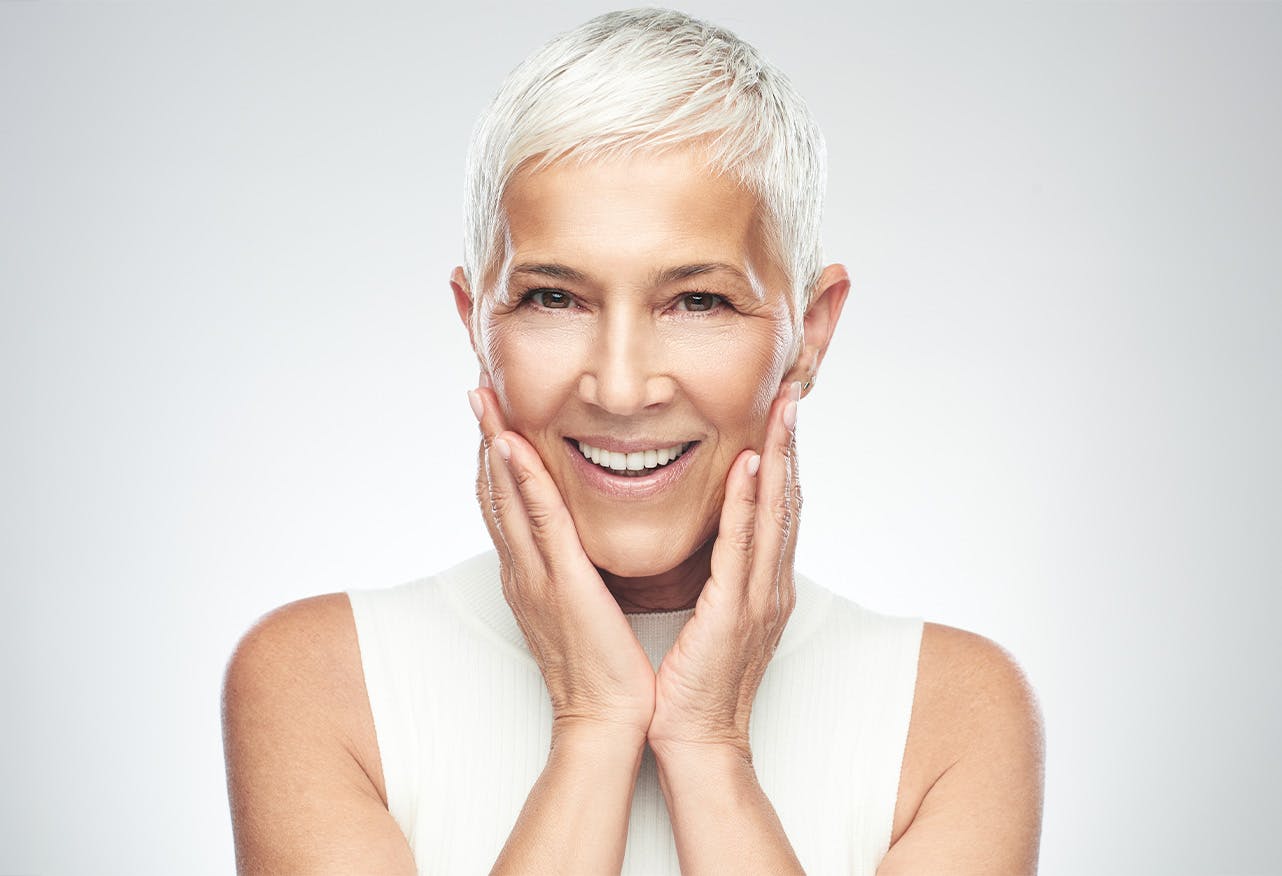
women hands on cheek

When Obagi May Be Recommended

Obagi may be a strong option for patients who want a more corrective routine for tone, texture, discoloration, or visible aging. It may also be recommended for patients who have tried retail products without seeing meaningful improvement. Some patients begin with a simple Obagi plan focused on cleansing, hydration, correction, and sun protection.

Others may benefit from a more active regimen designed to improve pigment, dullness, fine lines, or rough texture. The right starting point depends on the skin. Patients with sensitive or dry skin may need to build tolerance gradually, while others may be ready for more targeted products sooner.

Banner media

Obagi for Smoother Skin Texture

Rough texture, enlarged-looking pores, and dullness can make skin look less fresh, even when there are no major lines or breakouts. 

Obagi products may help support smoother-looking skin through targeted daily care. For patients who want more visible improvement, Obagi may be paired with treatments such as Hydrafacial, SkinPen, laser skin resurfacing, chemical peels, or Morpheus8. The combination of in-office treatments and at-home skincare can help support more consistent progress.

Your provider will explain which products to use before and after treatments so the skin is supported rather than irritated.

Treatments That Can Fit With an Obagi Routine

Obagi can be part of a broader plan for tone, texture, radiance, and long-term skin quality. Depending on skin needs and treatment timing, related options may include:

  • Hydrafacial
  • IPL Photofacial
  • Chemical Peels
  • Laser Skin Resurfacing
  • SkinPen
  • ZO Brightening Facial
  • Customized Facials
  • Morpheus8
blue satin fabric texture

Why Choose Image Surgical Arts?

Medical-Led Aesthetic Standards

Image Surgical Arts is led by Dr. Brady Harris, a triple board-certified cosmetic surgeon, and the medspa team approaches skincare with careful attention to product selection, skin health, safety, and individualized recommendations.

Personalized Product Selection

The Image Surgical Arts team reviews skin type, sensitivities, pigmentation concerns, current skincare, sun exposure, and prior treatments before recommending Obagi. This helps patients avoid guessing through products that may not be right for their skin.

Skincare That Works With Treatment Plans

Obagi may be used alongside facials, chemical peels, microneedling, IPL, laser resurfacing, or injectables when appropriate. Products are selected and timed to complement the patient’s broader aesthetic plan.

Practical Routine Guidance

Patients receive clear instructions on how to use each product, when to introduce active ingredients, what to pause before treatments, and how to protect the skin while it adjusts.

Background media

Obagi Frequently Asked Questions

Is Obagi medical-grade skincare?

Yes. Obagi is a professional skincare line commonly recommended through medical and aesthetic practices for targeted skin concerns and maintenance.

Can Obagi help with dark spots?

Obagi may help improve the appearance of discoloration and uneven tone when used consistently. Deeper pigment may also require peels, IPL, laser treatments, or other professional care.

Is Obagi good for aging skin?

Obagi may be recommended for visible aging concerns such as fine lines, dullness, texture changes, and uneven tone. Your provider can recommend the right products.

Can I use Obagi after laser treatment or chemical peels?

Some products may need to be paused briefly after active treatments. Your provider will explain when to stop, restart, or adjust your routine.

How long does it take to see results from Obagi?

Timing varies by concern and product plan. Hydration or smoothness may improve sooner, while discoloration, texture, and aging concerns usually require consistent use over several weeks or months.

Schedule a Consultation

Take the next step with Image Surgical Arts and meet with our team to discuss your goals, options, and personalized treatment plan with confidence.

Contact Us
Contact us media
Accessibility: If you are vision-impaired or have some other impairment covered by the Americans with Disabilities Act or a similar law, and you wish to discuss potential accommodations related to using this website, please contact our Accessibility Manager at 615.499.4224.
Schedule a Consultation