A Natural Approach to Facial Volume Restoration

Facial volume changes gradually over time, often affecting the cheeks, temples, under-eye area, jawline, and overall softness of the face. These changes can make the face appear more tired, hollow, or less balanced, even when the skin itself remains healthy.

At Image Surgical Arts, fat transfer to the face uses the patient’s own fat to restore volume in carefully selected areas. Dr. Brady Harris customizes each procedure with a conservative, detail-oriented approach designed to create natural-looking fullness without making the face appear overfilled or dramatically altered.

How Facial Fat Transfer Works

Facial fat transfer involves two treatment areas: the donor area, where fat is removed, and the facial areas where fat is placed. Because the procedure uses living tissue, surgical technique and placement precision are essential.

Harvesting Fat From the Body

Fat is typically collected from an area where small-volume liposuction can be performed, such as the abdomen, flanks, or thighs. Only a modest amount of fat is needed for facial volume restoration.

Processing the Fat

After removal, the fat is carefully prepared so healthy fat cells can be transferred. This step helps support smoother placement and improves the quality of the grafted tissue.

Placing Fat Strategically

Dr. Harris places small amounts of fat in carefully selected areas to restore volume gradually and naturally. Placement may focus on the cheeks, temples, under-eye region, or other areas of facial hollowing.

Allowing the Fat to Settle

Not all transferred fat survives long-term, and some natural absorption is expected. Dr. Harris accounts for this during planning while prioritizing a balanced and natural-looking result.

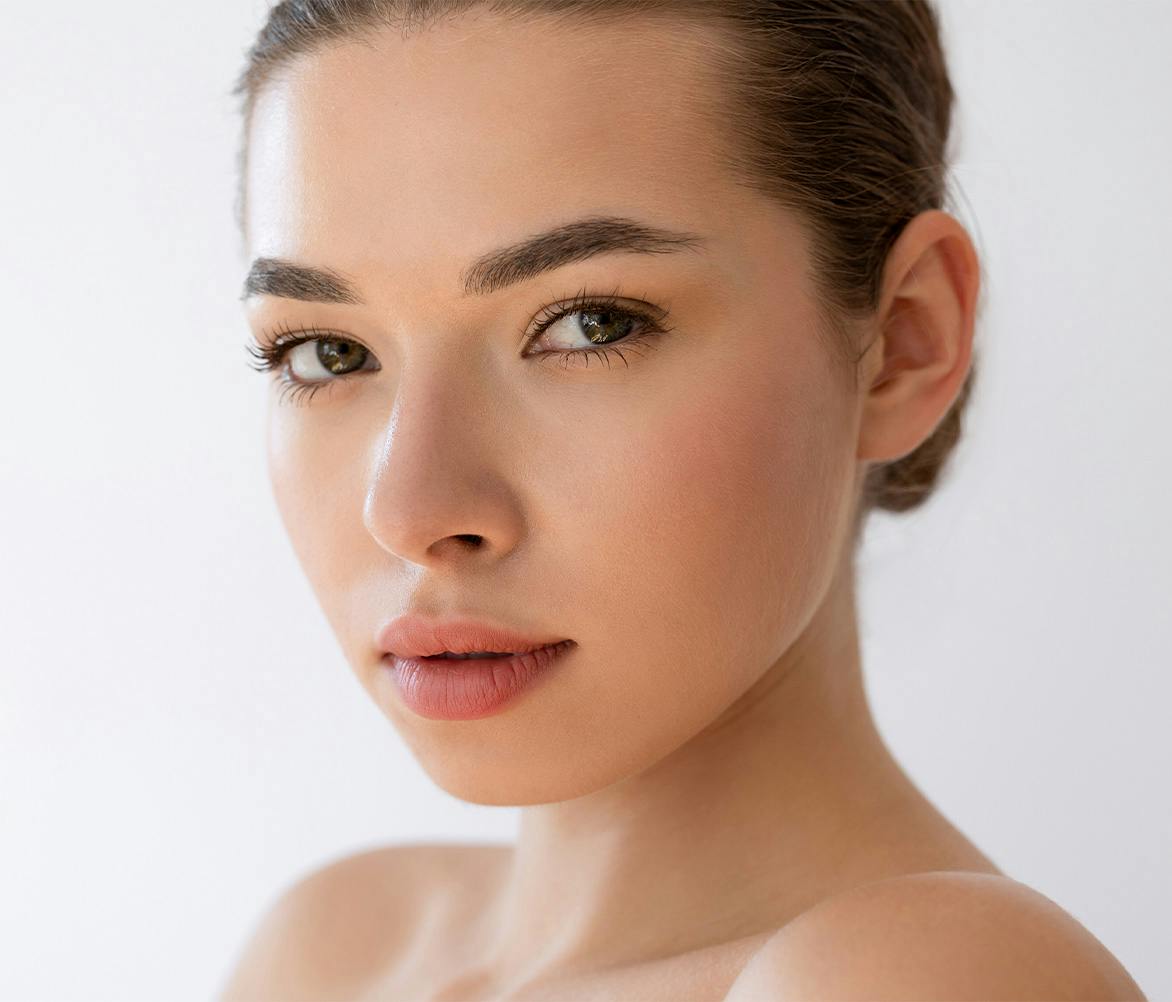
women looking into camera

Rebuilding Facial Softness With Your Own Fat

Fat transfer to the face, also known as facial fat grafting, is a cosmetic procedure that removes fat from one area of the body and transfers it to areas of facial volume loss. The fat is harvested with liposuction, carefully processed, and placed strategically where additional volume or contour support may be beneficial. Patients may consider facial fat transfer to improve:

  • Hollow cheeks
  • Volume loss beneath the eyes
  • Facial thinning related to aging
  • Temples that appear hollow
  • Flattened or deflated facial contours
  • Deep folds or shadows
  • Facial imbalance caused by volume loss

Unlike synthetic fillers, fat transfer uses the patient’s own tissue and may provide longer-lasting improvement when the transferred fat successfully establishes a blood supply.
Schedule a Consultation

Contact Us
Contact us media

When Is Facial Fat Transfer the Right Procedure?

Fat transfer to the face may be a good option for patients who want to restore volume loss using their own tissue rather than relying only on dermal fillers. It can be especially appealing for patients who want longer-lasting facial volume restoration or who are already considering liposuction or another cosmetic procedure.

This procedure may be appropriate for patients with visible hollowing, facial deflation, or age-related volume loss who still want to look like themselves. Patients should also understand that results develop gradually and depend partly on how much transferred fat survives during the healing process.

During consultation, Dr. Harris evaluates facial structure, skin quality, volume patterns, and donor fat availability before recommending the most appropriate approach.

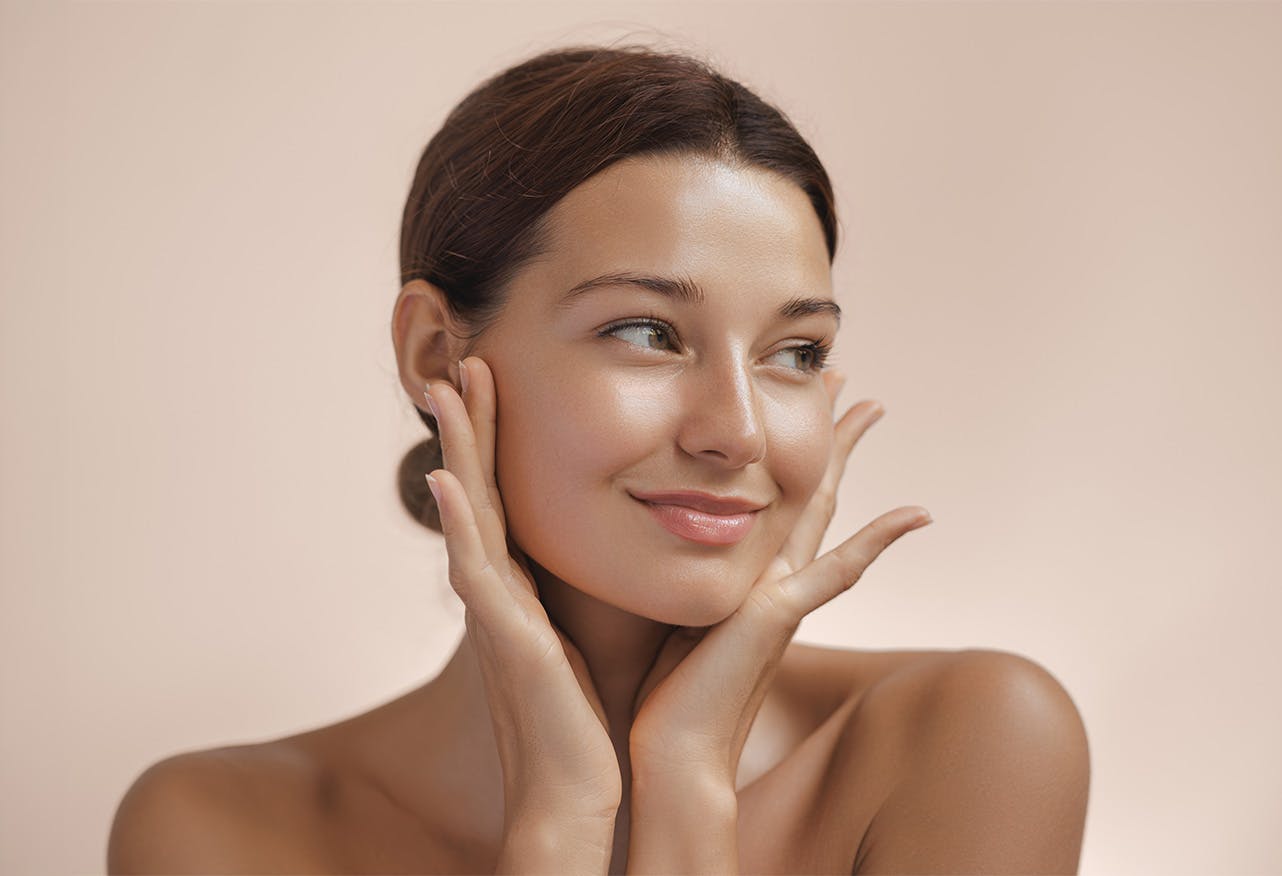
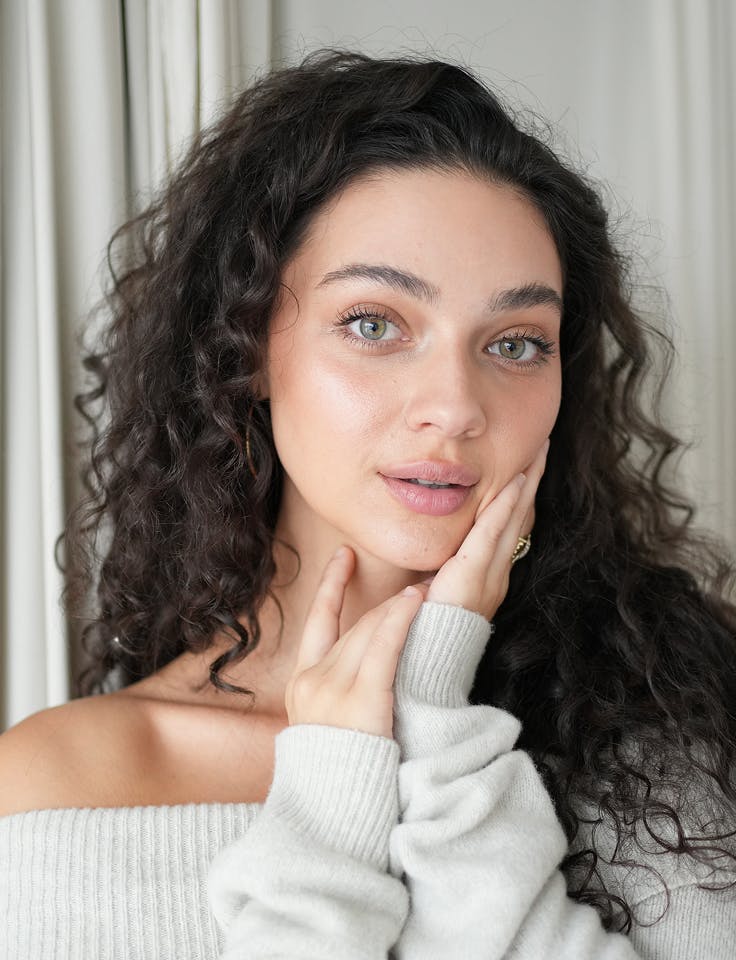
women hands on cheek

The Healing Process

Recovery after facial fat transfer involves both the face and the donor area. Patients may experience swelling, bruising, tenderness, and temporary firmness in the treated facial areas. Mild soreness or bruising may also occur where fat was removed.

Facial swelling is usually most noticeable during the early healing phase and gradually improves as the transferred fat settles. Patients are given detailed instructions about activity, sleeping position, skincare, and follow-up care.

Because fat transfer involves living tissue, the final outcome takes time. The face continues to refine over several weeks and months as swelling decreases and stable fat remains.

Banner media

Soft, Balanced Facial Rejuvenation Results

Facial fat transfer can create a subtle but meaningful improvement in facial fullness, contour, and balance. Patients often notice that hollow areas look softer and the face appears more rested without looking obviously treated.

At Image Surgical Arts, fat transfer to the face is planned with restraint. The goal is not to add volume everywhere, but to restore support where it enhances natural facial harmony and creates a refreshed, age-appropriate result.

Complementary Treatments

Some patients combine facial fat transfer with skin-focused or facial rejuvenation treatments to improve texture, tone, or overall refinement. Depending on anatomy and treatment priorities, complementary options may include:

  • CO2 Skin Resurfacing
  • Upper Blepharoplasty
  • Neck Liposuction
  • Morpheus8
  • PRP
  • DermaPRP
  • Sculptra
  • Hydrafacial
Gray wave texture

Why Choose Image Surgical Arts?

Triple Board-Certified Cosmetic Surgeon

Dr. Harris is a triple board-certified cosmetic surgeon with advanced experience in cosmetic surgery, liposuction, fat transfer, and facial refinement. His approach focuses on precise placement, balanced volume, and natural-looking enhancement that supports the patient’s existing facial structure.

Advanced Fat Transfer Experience

Fat transfer requires both careful harvesting and artistic placement. Dr. Harris evaluates where fat should be removed, how it should be processed, and where volume should be restored to create smooth, refined, and proportionate improvement.

A Conservative Facial Aesthetic

Image Surgical Arts takes a measured approach to facial volume restoration. The goal is to soften hollowing and restore youthful support without creating puffiness, heaviness, or an overfilled appearance.

A Private Accredited Surgery Center

Fat transfer procedures are performed in the practice’s state-accredited private surgery center in Nashville, offering patients a discreet, specialized surgical environment designed for cosmetic care.

Background media

Fat Transfer to Face Frequently Asked Questions

How is fat transfer different from dermal fillers?

Fat transfer uses your own fat, while dermal fillers use injectable products. Fat transfer may last longer, though some transferred fat is naturally absorbed during healing.

Where is the fat taken from?

Fat is usually harvested from areas such as the abdomen, flanks, or thighs. The donor area depends on anatomy and how much fat is needed.

Will my face look overfilled?

The procedure is planned conservatively to restore softness and balance. The goal is natural-looking volume, not an exaggerated or puffy appearance.

How long do facial fat transfer results last?

Fat that successfully survives the transfer process can remain long-term, though natural aging continues. Results vary based on healing, anatomy, and lifestyle factors.

Can fat transfer be combined with other facial treatments?

Yes. Facial fat transfer may be combined with CO2 resurfacing, upper blepharoplasty, neck liposuction, or medspa treatments when appropriate.

Schedule a Consultation

Take the next step with Image Surgical Arts and meet with our team to discuss your goals, options, and personalized treatment plan with confidence.

Contact Us
Contact us media
Accessibility: If you are vision-impaired or have some other impairment covered by the Americans with Disabilities Act or a similar law, and you wish to discuss potential accommodations related to using this website, please contact our Accessibility Manager at 615.499.4224.
Schedule a Consultation